
Post operative lymphatic drainage
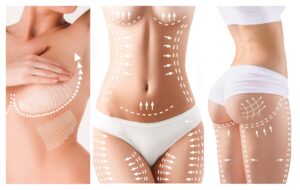
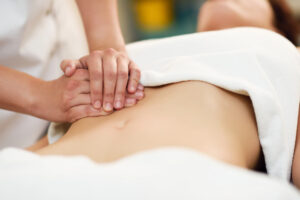
Why Choose a Certified Manual Lymphatic Drainage Therapist?
Choosing a properly trained Manual Lymphatic Drainage (MLD) therapist is important because MLD requires specialized education in the anatomy and physiology of the lymphatic system beyond traditional massage therapy training.
A qualified MLD therapist receives specialized education in lymphatic anatomy, fluid movement, edema management, and appropriate manual techniques. The Vodder Technique is a specialized approach to Manual Lymph Drainage that uses gentle, rhythmic, and precise movements designed to support normal lymphatic function.
For post-surgical lymphatic drainage, lymphedema management, lipedema, and swelling, we recommend working with a licensed professional who has completed dedicated MLD training and certification. Proper training helps the therapist select appropriate techniques based on the patient’s condition, surgical status, healing stage, and individual needs.
A trained therapist evaluates the patient’s current condition and modifies treatment according to the type of surgery, stage of healing, tissue sensitivity, swelling pattern, and medical recommendations.
Why Specialized Training Matters
The lymphatic system requires a different treatment approach from traditional massage. A therapist who has completed dedicated MLD education understands the importance of:
- Lymphatic anatomy and physiology
- Appropriate pressure and direction of manual techniques
- Tissue sensitivity and healing considerations
- Edema and swelling management
- Post-surgical precautions
- Lymphedema and lipedema considerations
- Recognizing situations that require medical referral
At Complementary Therapies by Greta, lymphatic services are provided within a clinical, individualized approach, with treatment adapted to each patient’s condition, goals, and stage of recovery.
If you are looking for Manual Lymphatic Drainage, lymphedema therapy, or post-operative lymphatic drainage in Alpharetta, Georgia, contact Complementary Therapies to discuss your individual needs.


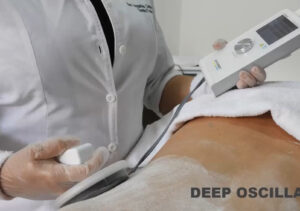

During a cosmetic surgery, pathways become temporarily congested, causing excess cellular debris, metabolic waste, dead cells, and fluid that accumulate in the tissue leading to swelling and discomfort. Not only is fatty tissue removed during liposuction, but also lymph vessels embedded in the fatty tissue are removed during this invasive procedure.
Hivamat or Deep oscillation therapy is designed to help you recover fast and help reduce scar tissue and uneven skin. The treatment is tailored based on your needs.
Seromas after Plastic surgery
There are many more complications after cosmetic surgery, and seromas are one of them. A seroma is a collection of serum (also known as lymph fluid) within a cavity inside the body. In a few words, a seroma is a fluid-filled pocket that may appear after surgery. It can be prevented and treated with Manual Lymphatic Drainage (MLD).
Some cosmetic surgeries, such as a tummy tuck, are more prone to developing seromas due to the nature of the procedure. Other common cosmetic surgery that results in seromas include:
- Liposuction or body contouring
- BBL or Buttocks lifts
- Breast enlargement
- Mastectomy
- Abdominoplasty
- Excessively aggressive liposuction
Why do I have to wear compression garments or fajas?
Compression garments play an important role in proper healing after liposuction. After the procedure, a compression garment will most likely need to be worn immediately and for several weeks after, as the initial recovery process takes place.
Here are some good reasons why to wear a compression garment or faja:
- The compression garment controls postoperative swelling: Swelling, or tissue oedema, results from a complex balance of forces on the fluids in your body.
- It prevents collections of fluid: when fat is removed, space is left behind. The same forces that cause swelling will tend to cause fluid to collect in this space, leading to pockets of clear fluid known as seromas.
- It helps to improve the contour and final appearance: The same space that allows fluid to collect allows the skin to slide back and forth over the underlying deep tissues, and this can lead to a wrinkled skin appearance.
- Compression distributes scar tissue, improves scarring, and helps to organize the collagen fibres as these scars form, causing it to be softer earlier.
- Improves movement – Wearing a compression garment after surgery can make it easier to move around and maintain your posture.

Post-operative Manual Lymphatic Drainage for Lymphedema and Lipedema
Specialized lymphatic therapy may also form part of a comprehensive approach to lymphedema and lipedema management. Treatment is individualized according to the patient’s presentation and may be combined with other components of care, such as compression, exercise, skin care, education, and other appropriate therapies.
Patients with persistent, unexplained, or worsening swelling should receive an appropriate medical evaluation to determine the underlying cause before beginning treatment.